
The Four Pillars of Digital Marketing Strategy
Over the past 8+ years, I’ve built and optimized digital systems across industries, and I’ve found that sustainable success comes from operational clarity, data-driven decisions, and user-centered storytelling. My framework centers on four strategic pillars:
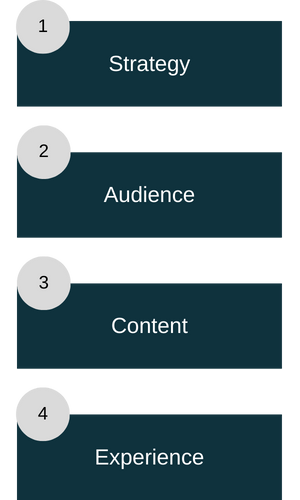
Strategy. Audience. Content. Experience.
- Strategy (Clear decisions, aligned objectives, and measurable outcomes.)
- Audience (Deep understanding of user needs, motivations, and behaviors.)
- Content (Value-driven stories that connect with the audience across channels.)
- Experience (Seamless, intuitive interactions across every touchpoint.)
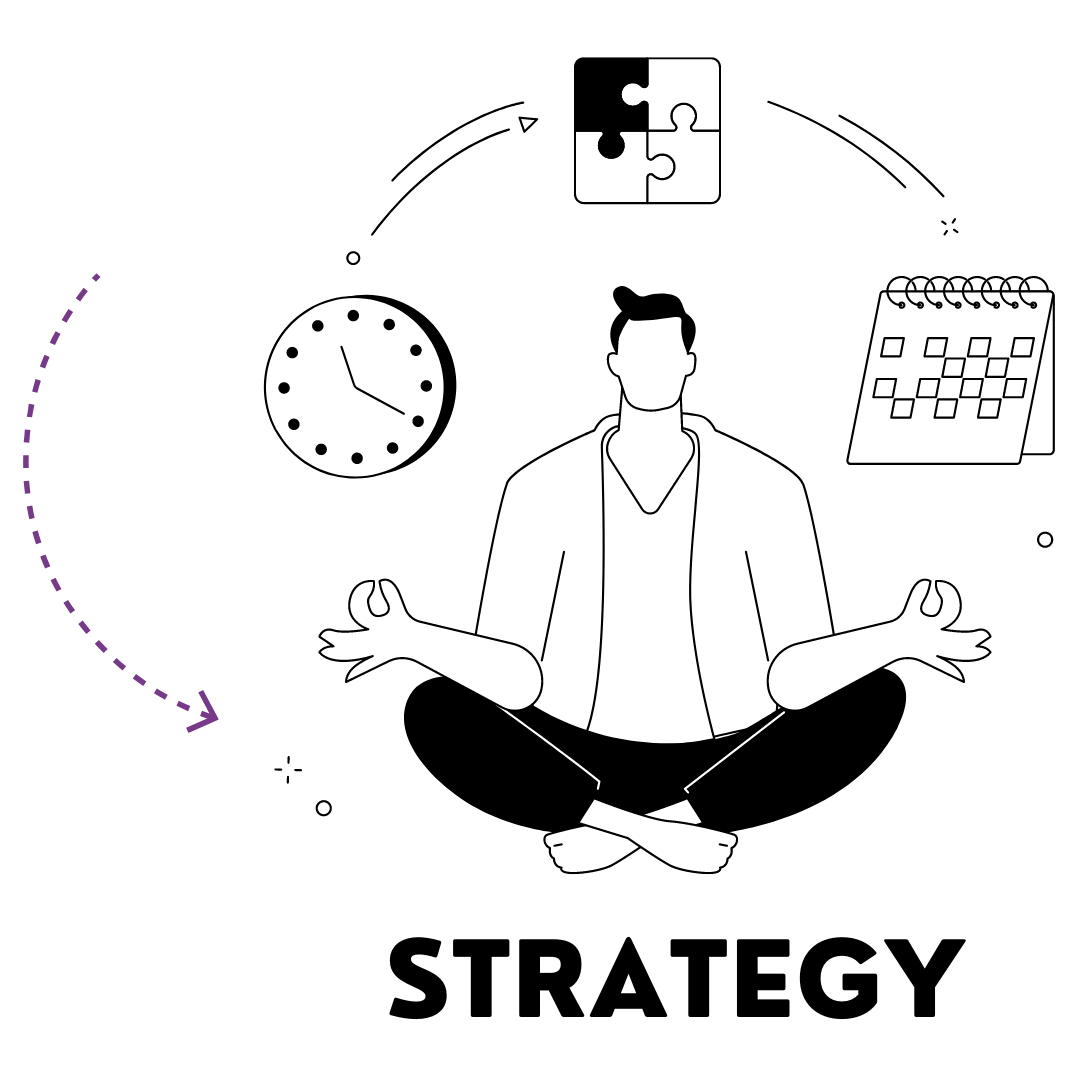
Strategy: Do it with intention — or not at all.
Effective marketing isn’t driven by tactics; it’s driven by clarity. Every initiative must be anchored in a strategic foundation that aligns business goals, available resources, and customer impact. Without that alignment, marketing becomes fragmented, reactive, and resource-heavy.
Before greenlighting a new initiative, I ask:
- What outcome are we driving? (qualitative + quantitative)
- How will this improve or influence the customer experience?
- What resources are required to execute it well?
- Is cross-functional alignment in place to support the work?
Clarity creates momentum — and prevents burnout. Strategy isn’t just a kickoff step, it’s a constant thread.

Audience: Market with intent, not assumption.
Not every product is for everyone — and effective marketing doesn’t pretend it is. Strong performance depends on how precisely you understand, segment, and reach the people who actually influence your growth.
Great audience work includes:
- Identifying psychographics, motivations, and barriers
- Anticipating behaviors, objections, and decision triggers
- Understanding where, when, and how audiences choose to engage
- Monitoring shifts in sentiment, habits, or trends to stay ahead
Whether entering a new market or optimizing an existing one, your marketing efficiency is directly tied to the depth of your audience intelligence.
- What are the core motivations, values, and behaviors driving this segment?
- What objections or concerns need to be addressed to move them forward?
- What problem is my product truly solving from their point of view?
- What communities, networks, or cultural circles influence them?
- Which communication styles and channels do they naturally gravitate toward?
- How does this audience engage, participate, or express interest?
- What emerging behaviors or trends could shift how they respond?
Content: Lead with value. Always.
High-impact content isn’t measured by volume — it’s measured by clarity, intention, and the level of value it delivers. Content should educate, shift perspective, or drive action — and the strongest content does all three.
My approach centers on long-form-first content, ensuring every major idea becomes a scalable asset that can be repurposed intelligently across platforms to maximize reach and minimize lift.
Before creating content, I evaluate:

When content is done right, you don’t have to compete for attention — your audience chooses to pay attention.
- What’s the highest-value, long-form version of this idea we can produce?
- How can this be strategically broken down across formats (video, reels, emails, blogs, carousels)?
- What job is this content doing — solving a problem, addressing a concern, or creating demand?
- Is this designed for the right platform, the right moment, and the right audience mindset?
The most effective content speaks directly to the real concerns, aspirations, and decision triggers of the people you want to reach. When you consistently address your audience’s most important questions and challenges, you naturally build authority — not by withholding expertise, but by sharing it generously.
People who are not your audience will absorb the information and move on.
People who are your audience will come back — because the value resonates.

Experience: Growth is impossible without retention.
Every touchpoint — from the first click to onboarding emails to repeat engagement — shapes how a customer feels about your brand. Experience isn’t just UX or customer support; it’s a shared responsibility across marketing, product, and operations. When experience is intentional, seamless, and supportive, it becomes one of the strongest drivers of retention and long-term growth.
Key questions I ask when evaluating experience:
- How fast, intuitive, and friction-free is the journey?
- Is this experience mobile-friendly, inclusive, and designed for diverse users?
- Do feedback loops, follow-up moments, and relational touchpoints feel natural and timely?
- Are support, education, and community accessible at every stage — not just after a conversion?
Why experience matters:
Great experience turns first-time users into repeat customers — and repeat customers into advocates. When the journey is thoughtfully architected, every marketing initiative performs better, because the audience feels guided, understood, and supported.
So, why these four?
Because without these four pillars, marketing becomes guesswork. With them, you create sustainable systems, predictable outcomes, and meaningful growth — without exhausting your team or your audience.
If a marketing program is underperforming, it’s almost always because one of these pillars is missing, misaligned, or unstable.
That’s where I begin.
 Claudia Cherrington Lopez